Polish sailing licence: how to get one and what it costs
The Polish yacht sailor licence step by step: requirements, the exam, costs and discounts. Learn when a charter needs a licence and when you can sail without one.
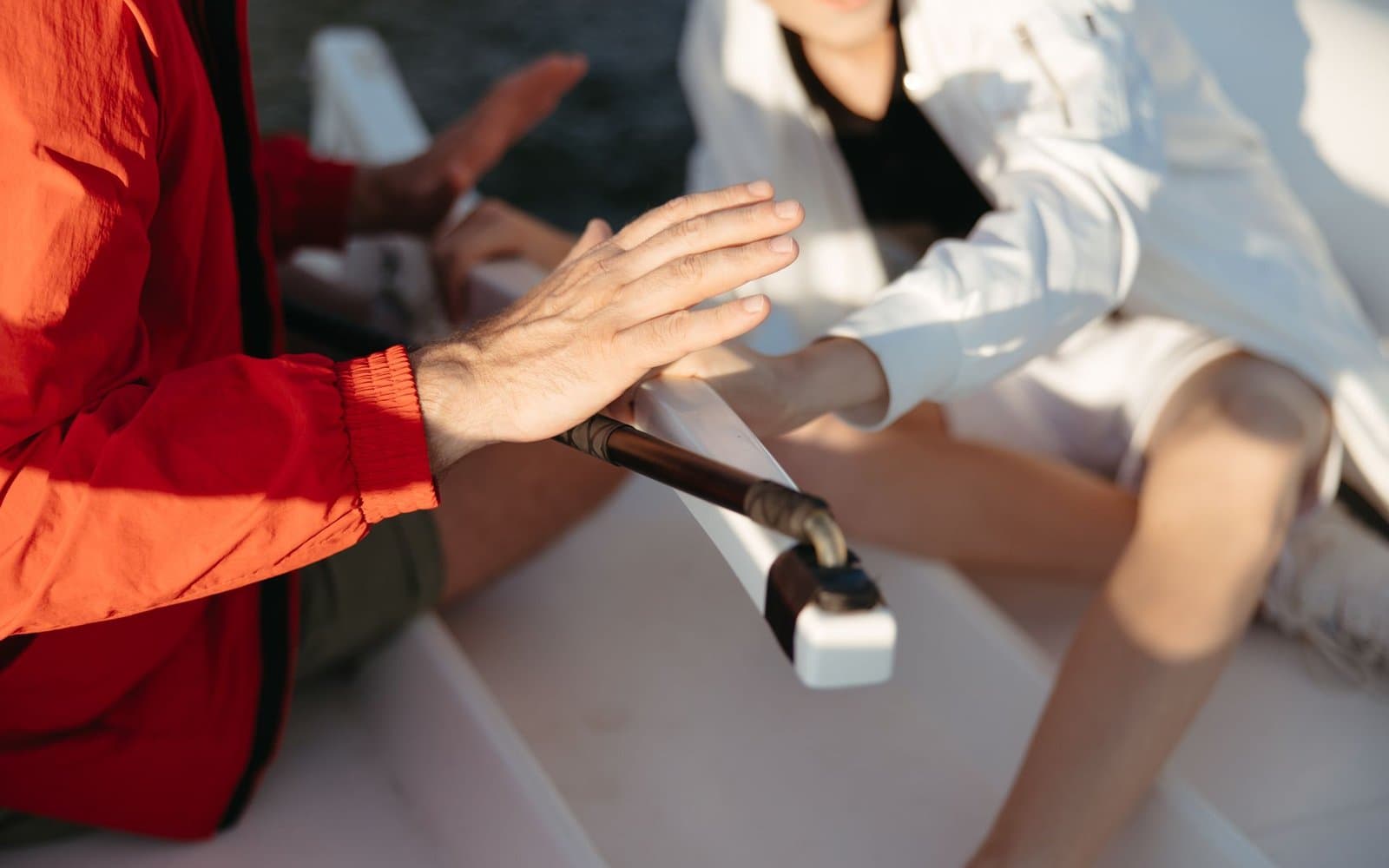
The yacht sailor licence (patent żeglarza jachtowego) is Poland's entry-level sailing qualification: you earn it by passing an exam before a Polish Yachting Association (PZŻ) board, and anyone aged 14 or older can take it. A course is not formally required, and neither is a medical check. In practice the whole path, course included, usually adds up to a dozen hours of theory, a few days on the water and roughly 1,500 to 2,000 PLN. Here is how it works, step by step.
What the licence lets you do
With the yacht sailor licence you can skipper sailing yachts on Polish inland waters with no hull length limit. On sea waters it covers sailing yachts up to 12 m of hull length, within 2 nautical miles of the shore, in daytime. For a lake charter in Masuria or anywhere else inland that is more than enough: most charter fleets run units between 7 and 12 metres.
The licence never expires. You pass once and the document stays with you for life, with no periodic renewals. That is why so many people get it ahead of their first sailing holiday, planned for example with our guide to chartering a yacht in Masuria.
Requirements: fewer than you think
- Age: 14 or older (with parental consent if under 18). It is the only Polish sailing qualification available to minors.
- Course: optional. You can sit the exam after learning on your own.
- Medical examination: not required.
- Experience: no logged sea time is required.
The fact that a course is optional does not mean it is worth skipping. The practical part of the exam involves real manoeuvres under sail, and the pass rate without prior time on the water drops sharply. A course is also simply about safety: learning to reef with an instructor beats figuring it out alone mid-season.
What the exam looks like
The exam has two parts, taken on the same day:
- Theory: a single-choice test covering regulations, pilotage, meteorology, rescue procedures and sailing theory.
- Practice: manoeuvres under sail and engine: leaving and approaching the dock, tacks and gybes, man overboard, crew work.
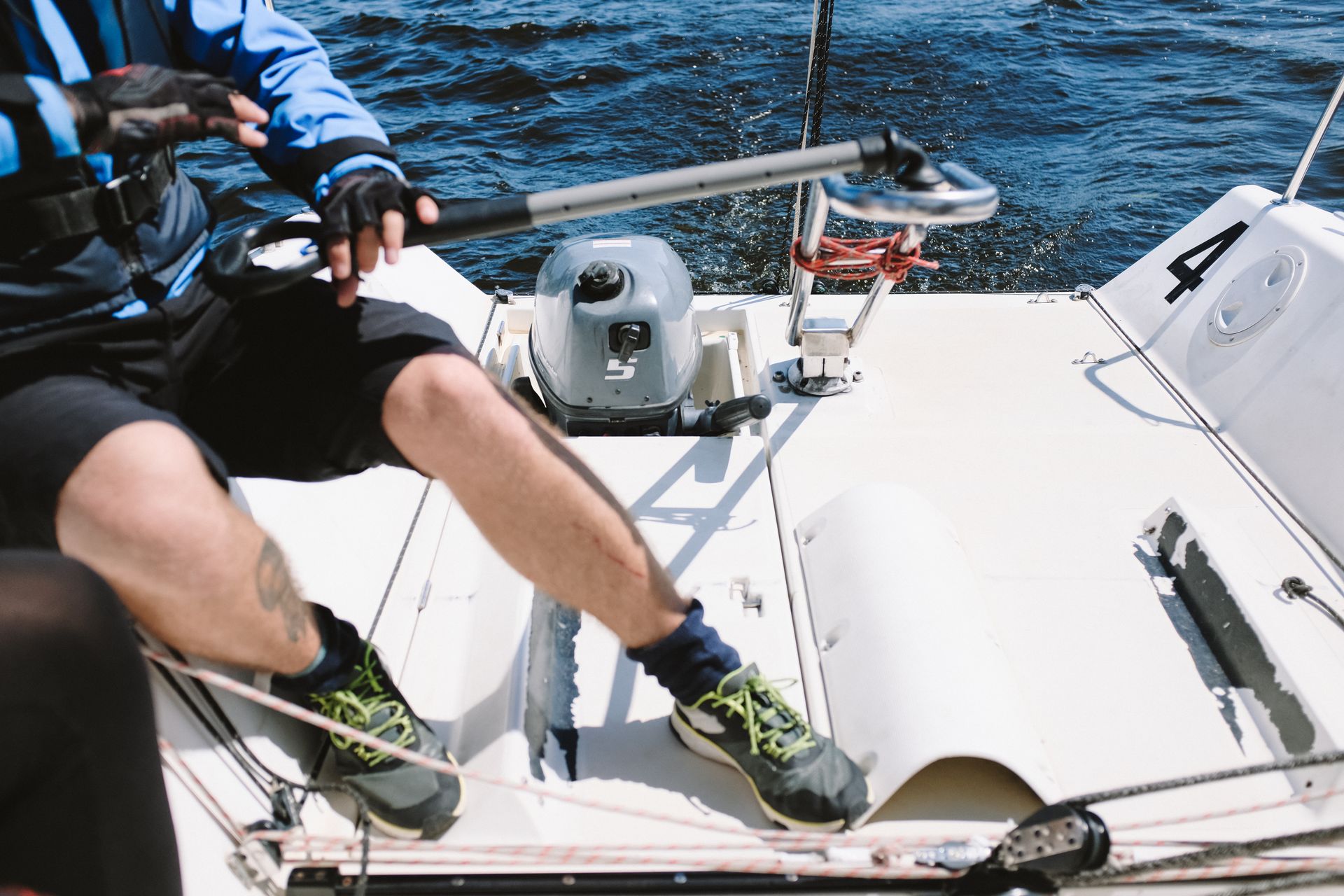
Exams are run by sailing schools and centres across Poland, most densely from May to September. In Masuria there are sessions almost every week in season, so the exam is easy to combine with a holiday.
What it costs
| Item | Approximate cost |
|---|---|
| Group course (optional) | from about 1,300 to 1,700 PLN |
| PZŻ exam | 250 PLN |
| Licence issue | 50 PLN |
| Pupils and students under 26 | 50% discount on the exam and licence |
Course prices depend on the school, the format (week-long, weekend, individual) and the region, and the exam fees follow the current PZŻ price list, so check the up-to-date rates before you sign up. With the student discount the whole path can close below 1,500 PLN.
You apply for the licence after passing the exam, online in the PZŻ system: you attach the exam certificate, a photo and proof of payment. The document arrives by post.
And if you do not have a licence?
You can still sail, legally. Sailing yachts with a hull up to 7.5 m and motorboats with engines up to 10 kW require no qualifications at all. In tourist traffic this extends to the popular houseboats and larger motor yachts operated under a speed limit. Exactly what is allowed and which limits apply is covered in our guide to chartering without a licence.
The licence, however, opens up the full sailing fleet: bigger yachts, stronger wind, longer routes. If you plan to sail every season, the exam pays for itself faster than you might expect.
The licence and your charter: what operators expect
At handover the operator will ask to see the licence of the person named in the contract as the skipper. Keep the document (or its digital equivalent) at hand and remember that the charter contract normally requires the yacht to be skippered by a qualified person. If it is your first time, read our first charter guide beforehand: it walks through handover, the checklist protocol and the deposit step by step.
Good news for freshly minted sailors: operators who take bookings online on their customer sites increasingly let you add a hired skipper to the booking. You can reserve the cruise before your exam and close the paperwork after it.
Frequently asked questions
Is a sailing course mandatory?
No. You can sit the yacht sailor exam without a course. In practice the manoeuvring part is hard to pass without prior sessions on the water, which is why most people choose a stationary or weekend course.
From what age can you get the licence?
From 14. Minors need the consent of a parent or legal guardian.
How long is the licence valid?
Indefinitely. There are no periodic medicals or renewals; you earn it once, for life.
Is the Polish licence enough abroad?
On many waters yes, but some countries require extra documents, for example a VHF radio licence or a local recognition of your qualification. Before chartering abroad, check the requirements of the country you will sail in.
Already licensed, or planning the exam? Browse the yachts available from operators on Portivo and book your first cruise online, and if you run a sailing school or a charter company and want to sell cruises on the internet, book a call with us.