KSeF and GDPR in a charter company - what you need to know
KSeF and GDPR in charter: the timeline for mandatory e-invoicing, who issues invoices in KSeF and from when, and how a charter company should handle customer data.
KSeF and GDPR are two obligations that touch every charter company: one concerns invoices, the other customer data. Both are manageable if you know what applies to you and from when. In this guide we gather the timeline for mandatory e-invoicing and show how a charter business should handle personal data. This is not legal advice but a practical overview, so confirm the dates and thresholds with your accountant.
KSeF, or e-invoices in one place
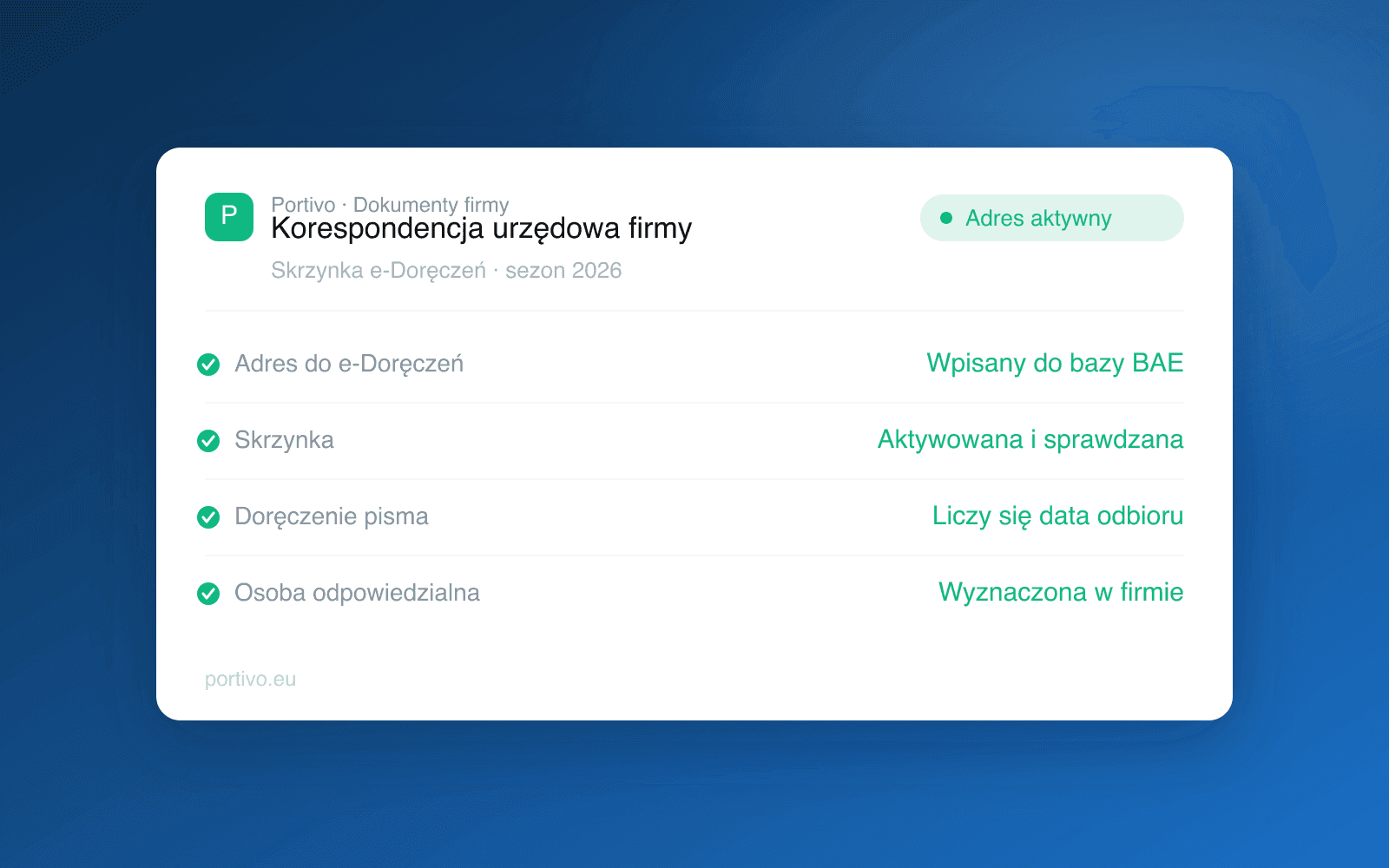
KSeF is Poland's National e-Invoice System, a central system where structured invoices are issued and received. Instead of a PDF sent by email, the invoice lands in the system and is available there to both sides. For a charter company that means invoices for charters, service fees or extras must at some point go this way.
Two dates matter. The obligation to receive invoices in KSeF reached all businesses earlier than the obligation to issue them, so you can get an invoice from a contractor through this channel regardless of your own start date. The issuing obligation itself comes in stages, depending on the scale of the business.
| Group | Obligation to issue in KSeF |
|---|---|
| Largest taxpayers (2024 sales above PLN 200m) | from 1 February 2026 |
| Other companies, including sole proprietorships | from 1 April 2026 |
| Micro-businesses with sales up to PLN 10,000 gross per month | deferred to 1 January 2027 |
One more thing worth remembering: during the 2026 transition period, breaches of KSeF obligations were not subject to penalties, but that window closes at the end of the year. So unless your charter company is a micro-business within the sales threshold, e-invoicing already applies to you this season.
What it changes in charter
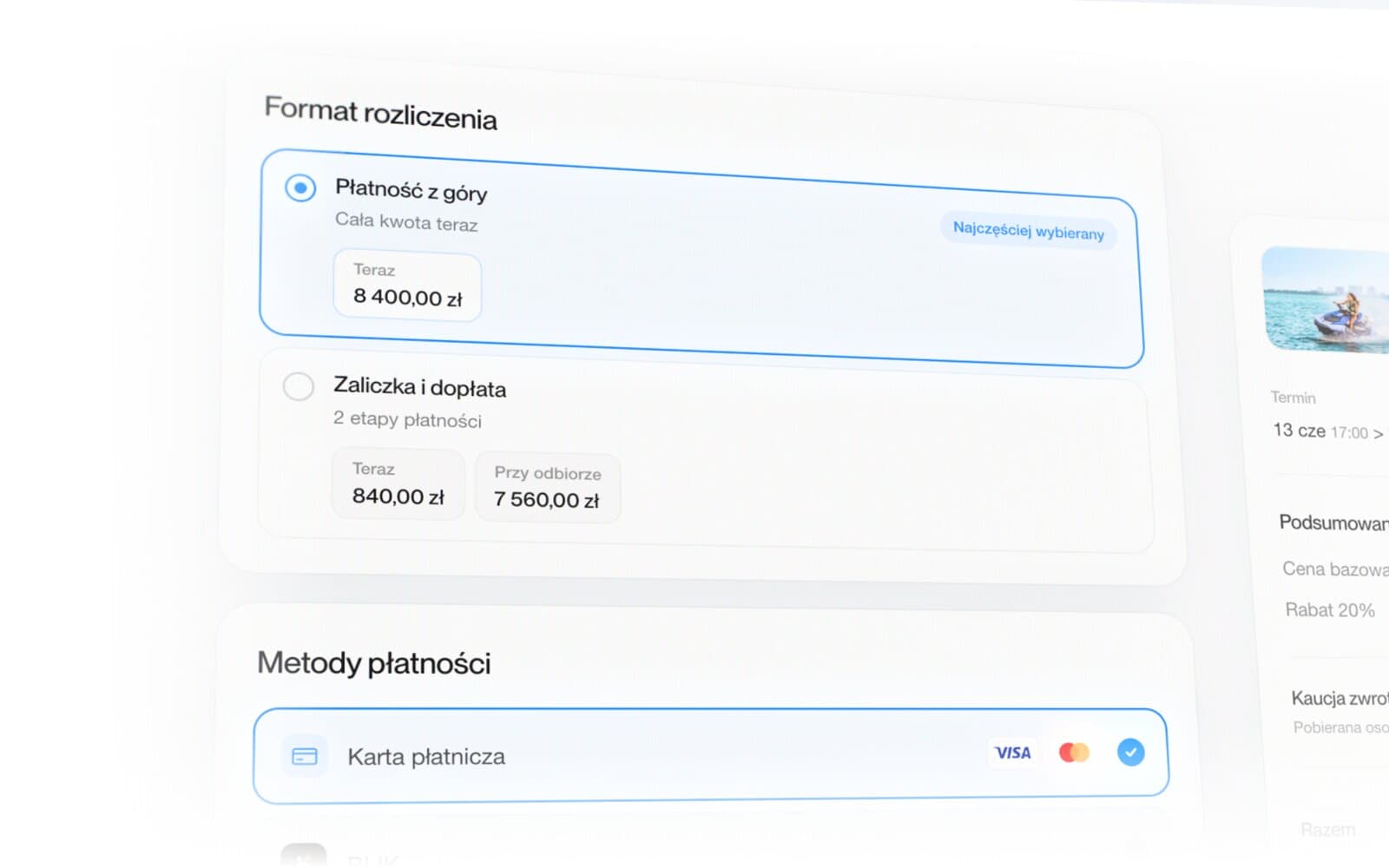
In practice KSeF touches the moment you issue a document for a booking. The more your settlements are in order, the less work the switch to e-invoices takes. If payments, deposits and balances are in one place, the invoice is only the last step of a familiar process, not a separate task to be glued together by hand. That is why order in online payments and clear payment policies pay off when the invoicing obligation arrives.
A micro-business in the KSeF context is a matter of the sales threshold, not fleet size. The threshold is counted from invoice value, so your own status is best confirmed with your accountant.
GDPR, or customer data under control
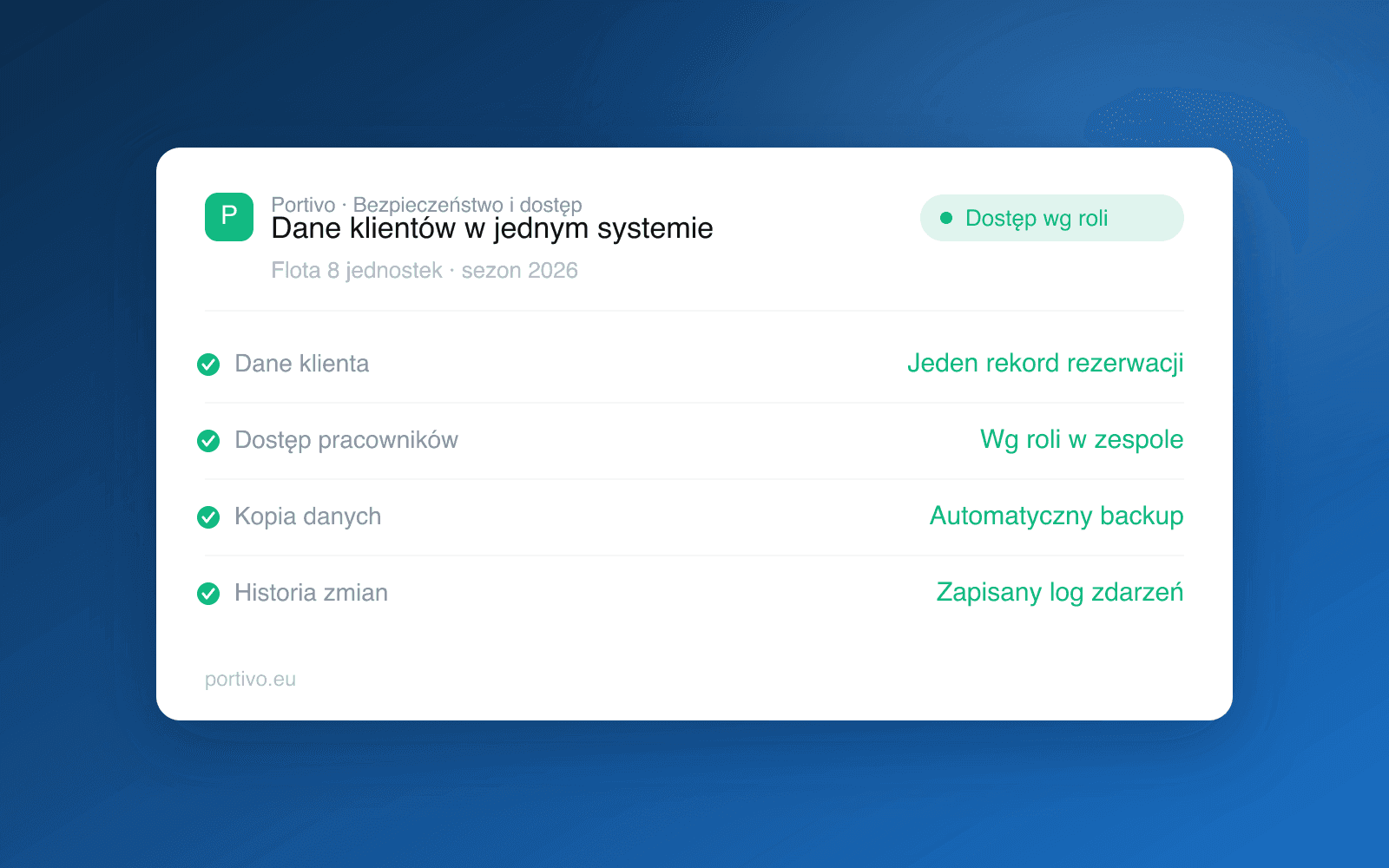
The other side is personal data. A charter company collects plenty of it: booking details, contract documents, sometimes data from customer verification. GDPR does not forbid processing it, it only requires you to do it consciously: have a lawful basis, collect only what you need, store data securely and no longer than justified.
In charter, most of the risk comes from scattering. A customer's data in an email, a scanned contract on a drive, a note in a spreadsheet and handover photos on a phone are four places no one controls together. The more the process is consolidated, the easier it is to manage who has access and when the data should disappear.
How Portivo helps you organise this
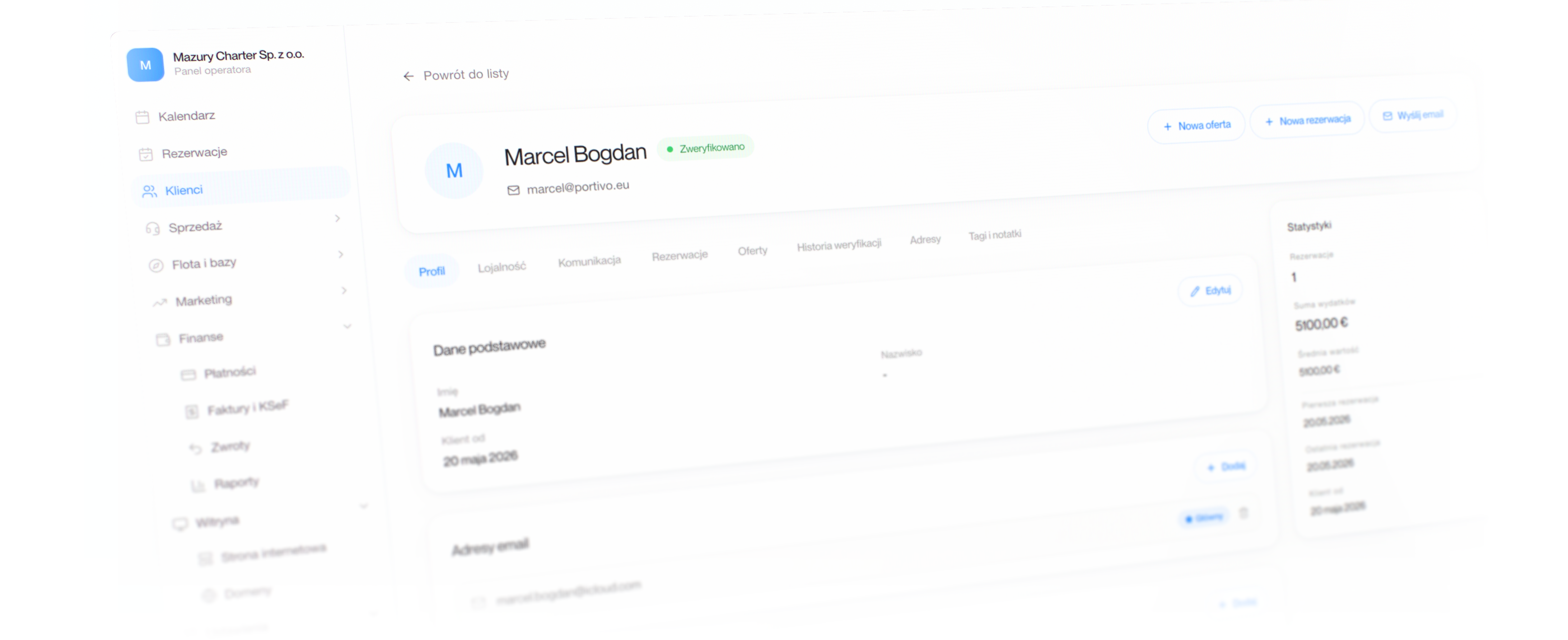
Portivo does not remove your obligations, but it takes off part of the organisational work. Settlements, deposits and balances live in one dashboard together with handover protocols and contract signing, so documents and customer data do not drift across channels. That means fewer places where data can leak, and less manual work when a new formal obligation arrives. We describe the whole process, from booking to record-keeping, in the guide on charter fleet management. The full set is six modules that work on one set of data.
This approach will not replace a conversation with your accountant or a compliance audit, but it makes the hardest part easier: keeping order when the season speeds up and the paperwork piles up.
Frequently asked questions
From when must a charter company issue invoices in KSeF?
The largest taxpayers from 1 February 2026, other companies including sole proprietorships from 1 April 2026. Micro-businesses with sales up to PLN 10,000 gross per month have a deferral to 1 January 2027. Confirm your own status with your accountant.
Do I have to receive invoices in KSeF even if I do not issue them yet?
The obligation to receive invoices in KSeF reached businesses earlier than the obligation to issue them, so you can get an invoice from a contractor through this channel regardless of your own start date.
What does GDPR mean for a boat rental company?
You need a lawful basis to process customer data, must collect only what is necessary, store it securely and delete it once it is no longer justified. The biggest risk is data scattered across many places.
Does Portivo guarantee KSeF and GDPR compliance?
Portivo organises settlements, documents and customer data in one system, which makes meeting the obligations easier, but it does not replace legal or accounting advice. Compliance decisions are made with your own accountant.
Want your settlements and customer data in one place before the next season? See the pricing or book a meeting, and we will match a plan to your fleet size.