Mooring a yacht step by step: stress-free harbor maneuvers
Mooring a yacht step by step: preparing the crew, approaching the dock, lines and fenders, plus the mistakes that most often end in harbor damage.
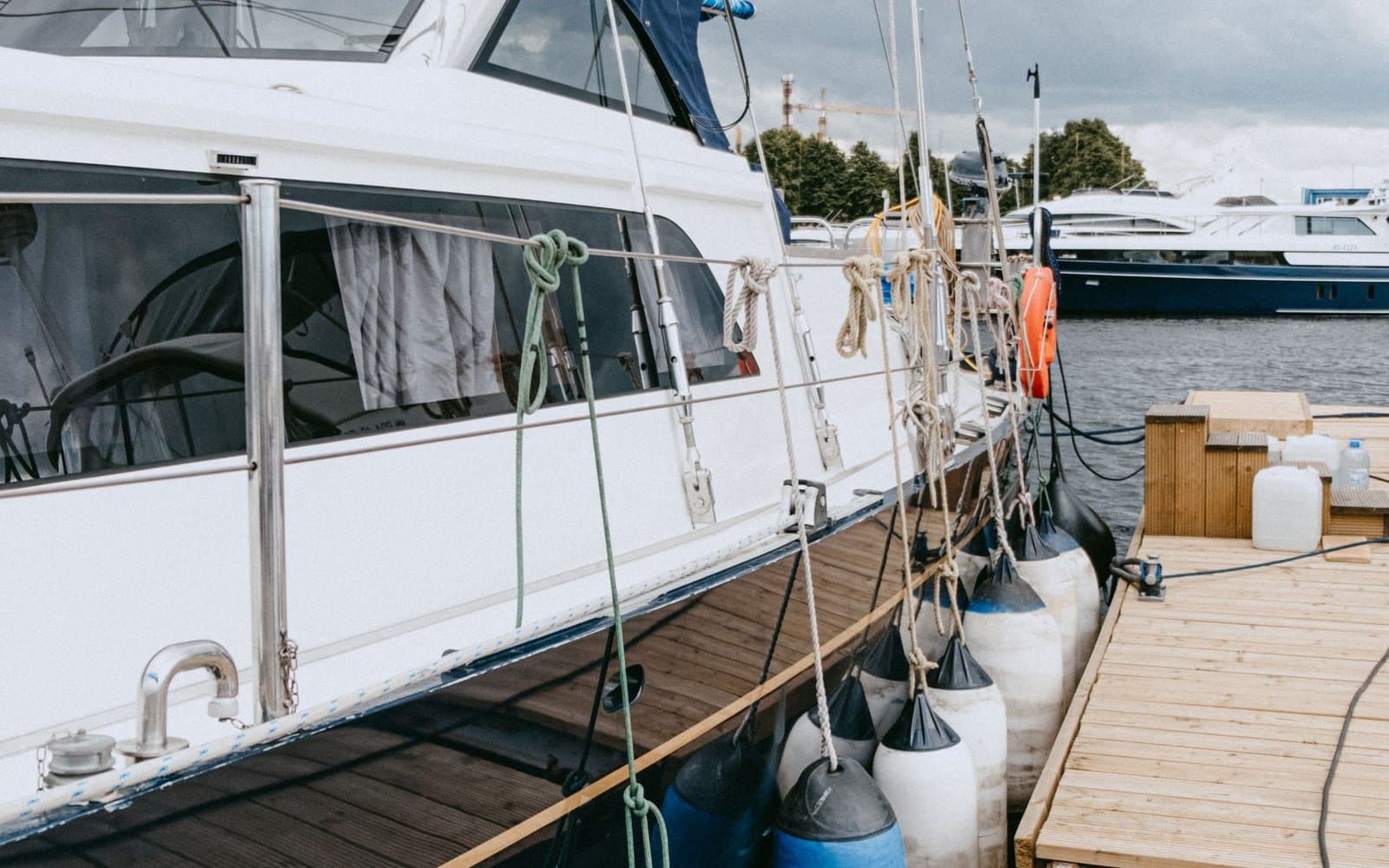
Mooring is the maneuver beginners fear the most, and the one most easily mastered with a good procedure. The key is preparation before entering the harbor: fenders out, mooring lines ready, roles assigned in the crew, and an approach so slow that you can abort at any moment. Below is the whole procedure step by step, the most common mistakes, and what to keep in mind when the boat is chartered.
Before you enter the harbor
The success of the maneuver is decided while you are still on open water. Slow down, look around the marina and make a plan: which berth you are approaching, where the wind is blowing from and who does what. On a chartered yacht, check in advance where the cleats are, how many lines you have and whether the fender lines are the right length.
- Hang the fenders at dock height on the side you will moor on.
- Prepare the bow and stern lines, lead the free ends under the guardrail.
- Assign roles: one person at the bow, one at the stern, the helmsman only steers.
- Agree on simple commands so you do not have to shout across half the harbor.
The approach: slow means safe
Approach into the wind if the harbor layout allows it, because the wind then works like a brake. Your speed should be minimal, just enough for the yacht to still answer the helm. The old rule says: approach as slowly as you are willing to hit. Put the engine into reverse earlier than intuition suggests, because a yacht has no brakes and takes a long time to stop.
| Element | Rule |
|---|---|
| Approach speed | Minimum steerage, always with the option to abort |
| Direction | Into the wind or current, if the harbor layout allows |
| Fenders | Out before entering the harbor, at dock height |
| Mooring lines | Laid out and ready to pass, not in a tangled heap |
| Crew | Fixed roles and simple commands, the helmsman stays at the helm |
Types of mooring you will meet on the trail
On Polish lakes the most common setups are mooring alongside a quay or in a box between finger pontoons. In Mediterranean marinas the standard is a stern-to approach with a mooring line, which you will rarely see here. At wild anchorages you moor bow-to the shore with an anchor dropped from the stern. Every variant shares one common rule: stop the boat first, then pass the lines. Looking for good places to practice? See our overview of ports and marinas in Masuria.
Lines and cleats: the last meters of the maneuver
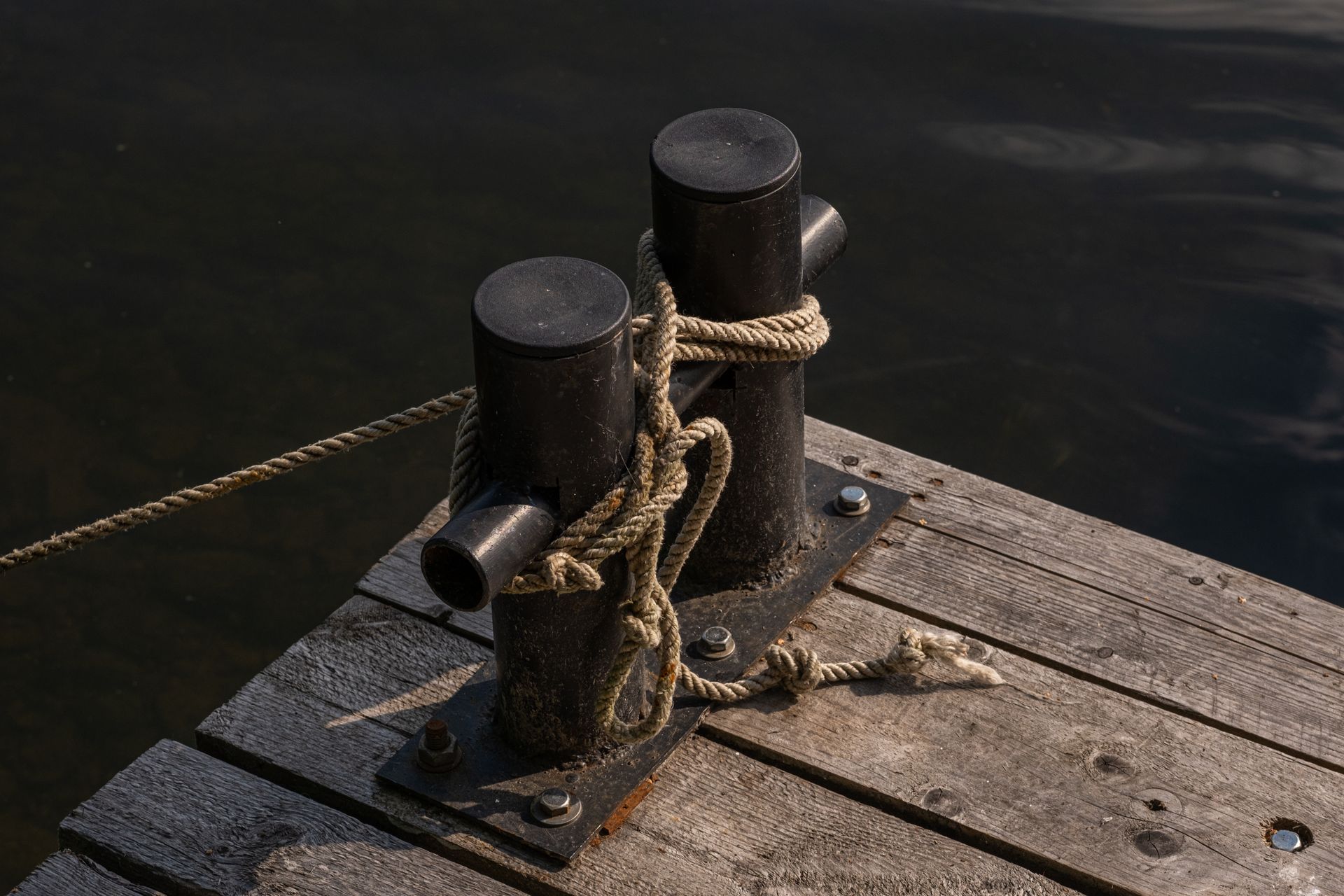
A line is secured on a cleat with figure-eight turns closed with a locking hitch, not a pyramid of knots that is hard to untie in the morning. The bow and stern lines hold the yacht against the dock, while springs limit movement along the quay and are useful for longer stays or stronger wind. In the evening, check the line tension once more and make sure the fenders still sit where the boat touches the dock.
The most common mooring mistakes
Approaching too fast is mistake number one and the most common cause of harbor damage. Then: lines not prepared, jumping from the yacht onto the dock instead of stepping off calmly, grabbing the dock with your hands, and communication chaos when everyone gives commands at once. Almost all of these mistakes are eliminated by one thing: preparing the maneuver fully before the bow passes the harbor entrance.
If you sail a chartered boat, there is one more reason to be careful: harbor maneuver damage is the classic case settled from the charter deposit. A scratch on a neighbor's hull or a bent guardrail costs money, so it is worth having the boat's condition documented with photos at pickup and return. The basics of the whole charter process are collected in our waterside holiday guide, and the rules of safe sailing in our article on safety on the water. You will find trusted operators with boats prepared for the season on Portivo.
Frequently asked questions
How fast should I approach the dock?
As slowly as possible while keeping steerage. A yacht has no brakes: if the approach looks too fast, abort, circle away and try again. A second approach is not embarrassing, it is good practice.
Which side do I hang the fenders on?
On the side that will touch the dock, at the height of the quay edge. When mooring in a box between finger pontoons, hang fenders on both sides.
What do I do when the wind pushes the yacht onto the dock?
Use it: approach parallel and close to the dock, and the wind will set the hull alongside by itself. The harder case is wind pushing you off, then you pass the bow line or a spring first and pull the yacht in working the engine.
Am I liable from the deposit for a scratch made while mooring?
Usually yes, damage caused by the crew is settled from the deposit up to the amount set in the contract. That is why it pays to practice harbor maneuvers in light wind and always have your fenders out.