Masuria weather for sailors: reading forecasts and knowing when to stay in port
Weather in Masuria can turn in fifteen minutes. Where to check forecasts, what the storm warning lights mean and how to make safe decisions out on the water.
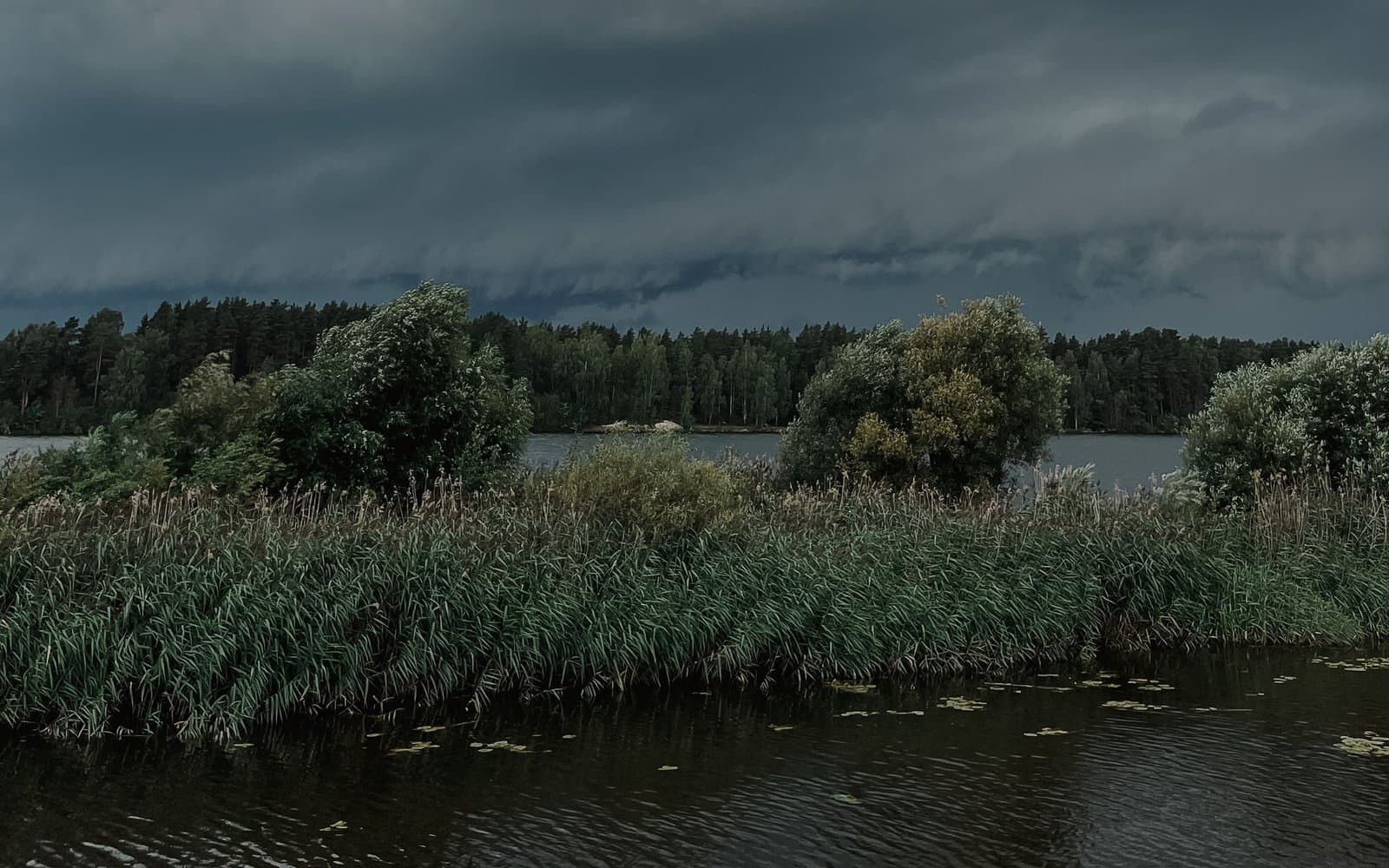
Weather in Masuria can change in fifteen minutes: a sunny afternoon turns into a squall and flat water into a short, steep chop. On the Great Masurian Lakes a good forecast, and the skill to read it, is as much a part of your kit as the lifejackets. In this guide we show where to check the weather, how the storm warning system works and how to make the call: sail or stay in port.
Why Masurian weather can be treacherous
The Masurian lakes are shallow and open, so waves build fast and come short and steep: far more tiring for a small boat than a long sea swell. Thunderstorms often develop locally, right over the lake, and can surprise you even when the general forecast looked fine.
The most tragic reminder of that dynamic is the white squall of 21 August 2007: a sudden hurricane-force blast of wind capsized dozens of yachts on the trail and 12 people died. That day changed how warnings work in Masuria and it is still brought up in every course on safety on the water.
Where to check the forecast
One source is not enough. Check in the morning, before every departure and during the day:
| Source | What it is for |
|---|---|
| IMGW (official weather alerts) | official storm and strong wind warnings per county |
| Windy and similar services | hour-by-hour visualisation of wind strength and gusts |
| Local sailing forecasts | conditions on the specific lakes of the Masurian trail |
| The sky and the barometer | the fastest signal: a dark wall of cloud over the forest does not wait for an app refresh |
Watch not only the average wind but above all the gusts: gusts are what knock yachts flat. A forecast of "3 Bft, gusting 7" means a completely different day than a steady three.
The warning lights on the Great Masurian Lakes
Around the trail there is a network of masts with flashing warning lights that signal incoming danger:
- Around 40 flashes per minute: first-degree warning, expect the weather to deteriorate, plan your route to shelter.
- Around 90 flashes per minute: second-degree warning, a violent phenomenon is coming, get to a sheltered spot as fast as you can.
When you see the flashes, do not count them with a stopwatch: the difference between 40 and 90 is obvious to the naked eye. The rule is simple: fast flashes, get off open water immediately. Where the nearest shelter is, our guide to ports and marinas in Masuria will tell you.
The Beaufort scale in Masurian practice
| Wind force | What it means in Masuria |
|---|---|
| 0-3 Bft | comfortable conditions for everyone, ideal for learning |
| 4 Bft | lively sailing, beginners should reef |
| 5-6 Bft | conditions for experienced crews, reefing mandatory, consider staying in port |
| 7 Bft and above | stay in port, most operators forbid sailing in the contract |
Check your charter terms too: many operators write an explicit wind limit into the contract, above which you must not leave port. That is not malice, it is the line beyond which the insurance ends and the risk begins.
What to do when the wind picks up
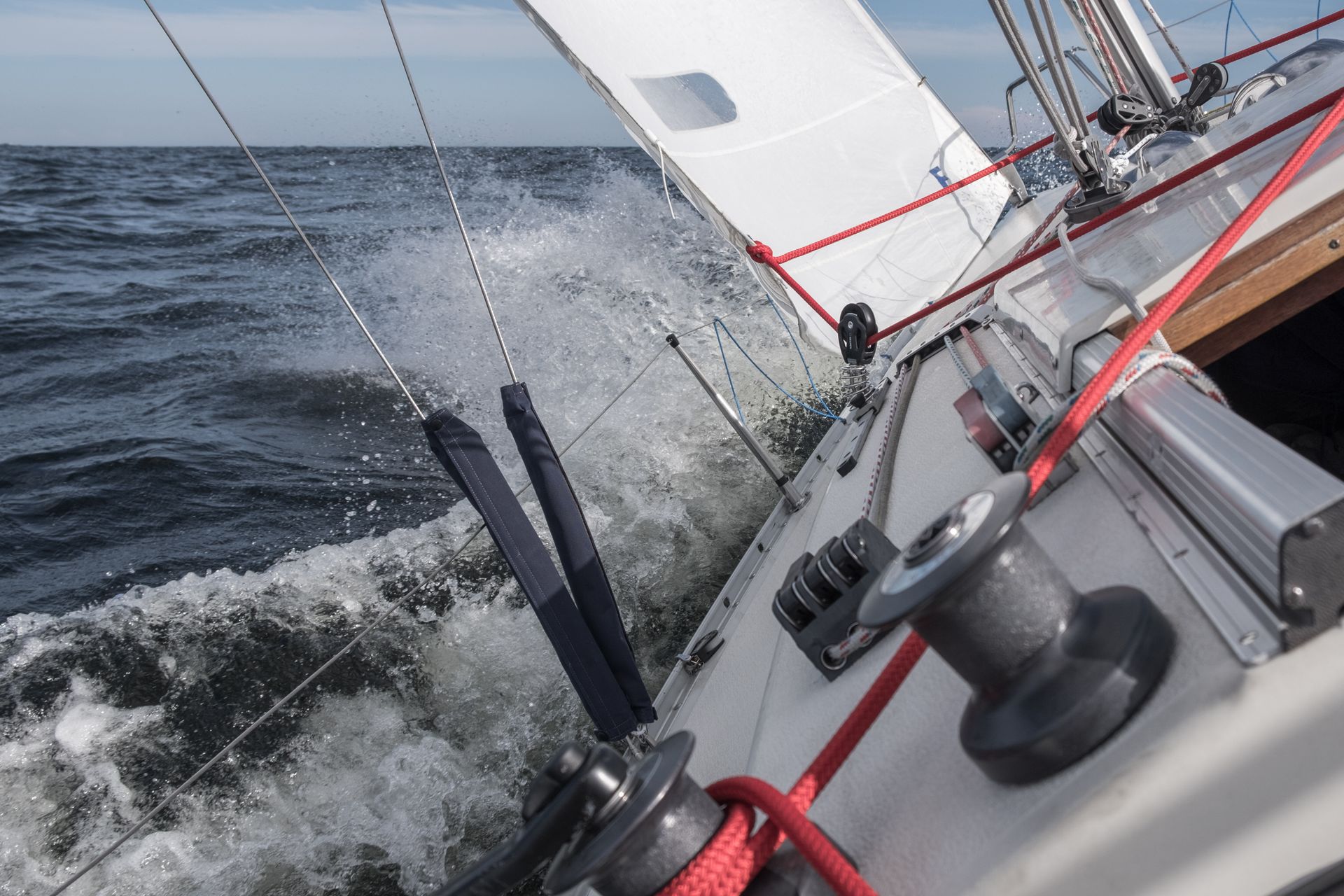
- Reef early. The old rule says: if you are wondering whether to reef, you already should have.
- Put lifejackets on everyone aboard before things get tense.
- Plan an escape route along a sheltered shore and keep the nearest bay or port in mind.
- Do not fight a storm on open water. Better to wait out an hour by the shore than to test the limits of the boat and the crew.
- The engine is a tool too. In a sudden deterioration, dropping the sails and motoring to shelter is often the safest call.
Planning your day and week around the weather
In summer the calmest part of a Masurian day tends to be the morning: steadier wind and a lower risk of the storms that usually build in the afternoon. So do the longer passages before lunch and leave the afternoons for bays and marinas. That is exactly how we structure the routes in our week-long Masuria itinerary, and the broader cruise preparation is covered in our holidays on the water guide.
A flexible plan is the best insurance: booking a yacht with operators who keep a live online calendar on Portivo makes it easier to pick dates and shape the route so the weather works for you, not against you.
Frequently asked questions
What is a white squall?
A sudden, very strong blast of wind that arrives without the tell-tale wall of dark cloud, hence the name. In Masuria the term is tied to the tragedy of 21 August 2007, when hurricane-force wind capsized dozens of yachts.
At what wind strength should you not sail in Masuria?
Beginners should stay in port from a forecast of 5 Bft or gusts above 6 Bft. Check your charter contract too: many operators write their own wind limit into it.
What do the flashing lights over the lake mean?
That is the Masurian warning system. Slower flashes (about 40/min) announce deteriorating weather, fast flashes (about 90/min) mean immediate danger and the need to seek shelter at once.
Does a bad forecast let you cancel a charter for free?
The forecast alone does not; only a formal suspension of navigation or the operator's decision does. Details are in our post on cancelling a charter booking.