AI in a charter company: what it really automates and what still needs a human
AI in a charter company helps with content, translations and first-line answers. See what you can automate today and what you should not hand to a machine.
There are more promises than deployments around artificial intelligence in tourism today, and a charter company with six boats has different problems than an airline. Below we separate two things that keep getting mixed up in AI conversations: the tasks AI can genuinely take over in charter operations right now, and the ones that still need a human or plain, predictable automation. Without that distinction it is easy to buy a tool that looks great in a demo and changes nothing in the season.
What AI changes in handling bookings
The biggest change is not that a machine makes decisions, it is that it prepares the material for a decision. A language model will quickly write a boat description, translate it into four languages, summarise twenty customer messages or turn scattered notes into a pre-season to-do list. That is work which used to eat evenings, not the decision about who gets handed a yacht.
The second change is the first line of contact. An assistant grounded in your own content can answer repetitive questions: what is included, are dogs allowed, where to park, how the deposit works. There is one hard condition: it answers only from what you wrote yourself. A model that guesses your terms and conditions will generate a claim, not a saving.
Where AI helps today
| Task | What AI actually does | What a human watches |
|---|---|---|
| Boat descriptions and website copy | A first draft, variants, short versions | Consistency with the real equipment |
| Translating the offer | Fast translation into customer languages | Terminology and proper names |
| First reply to an enquiry | Answers to repetitive questions | Quote, availability, exceptions |
| Summaries and notes | Condensing correspondence and reports | Arrangements that go into the contract |
| Season analysis | Spotting patterns in sales data | The decision on price and booking policy |
The pattern is consistent: the closer you get to money, liability and the key to the boat, the less work there is for the model and the more for a person.
What AI will not do for an operator
It will not assess the condition of a boat at return or decide on a deduction from the deposit, because that needs an inspection, photos and both signatures. It will not answer the phone from a crew sitting on the water with a dead engine and agree a workshop slot in port. It will not take responsibility for a contract clause or for customer personal data. And it will not build the relationship that brings a customer back for a third season.
Do not paste customer personal data into public AI tools. Names, addresses, document numbers and contract content are data you are accountable for. If you use an assistant, check first where the data goes and who has access to it.
The precondition: data in one place
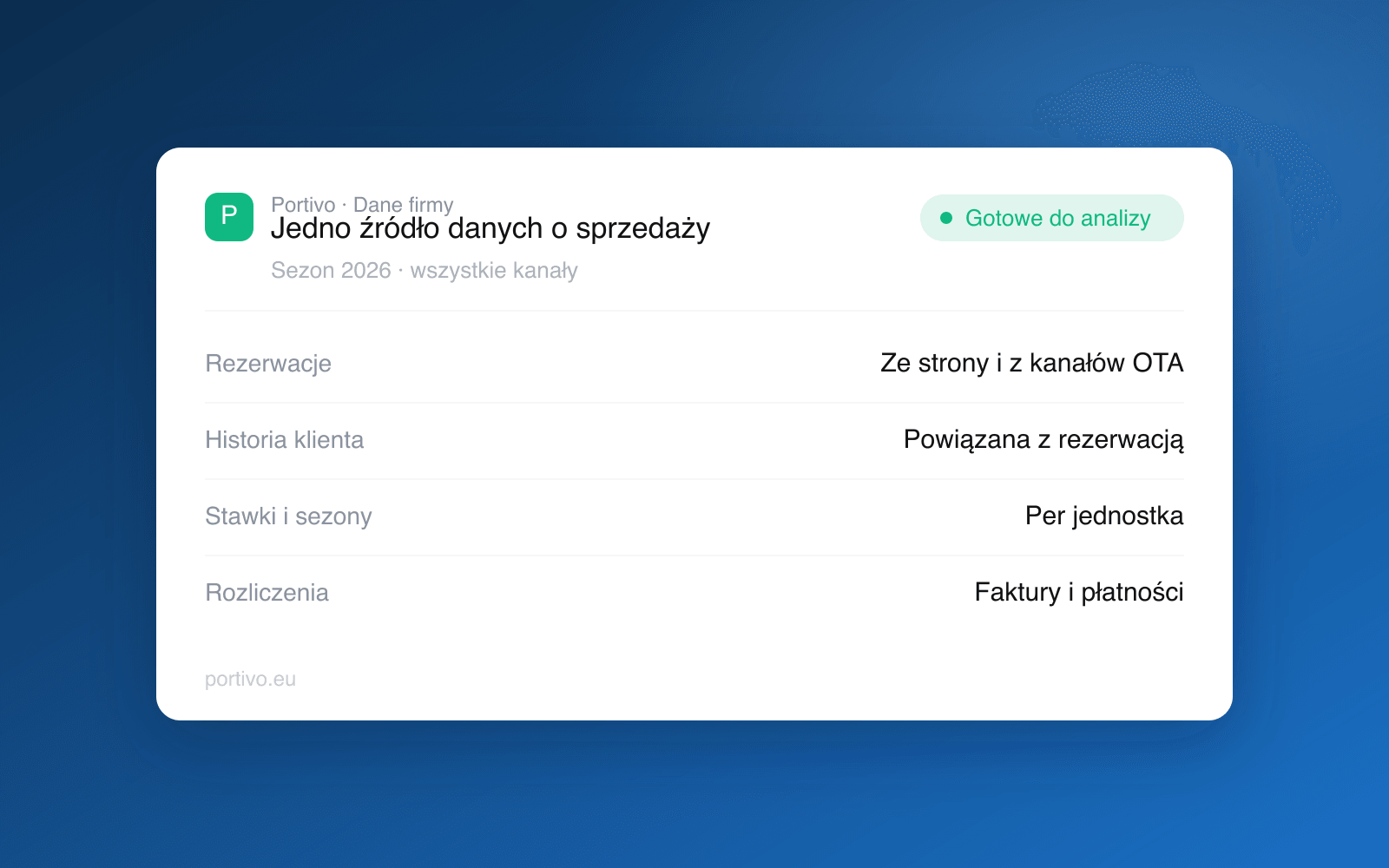
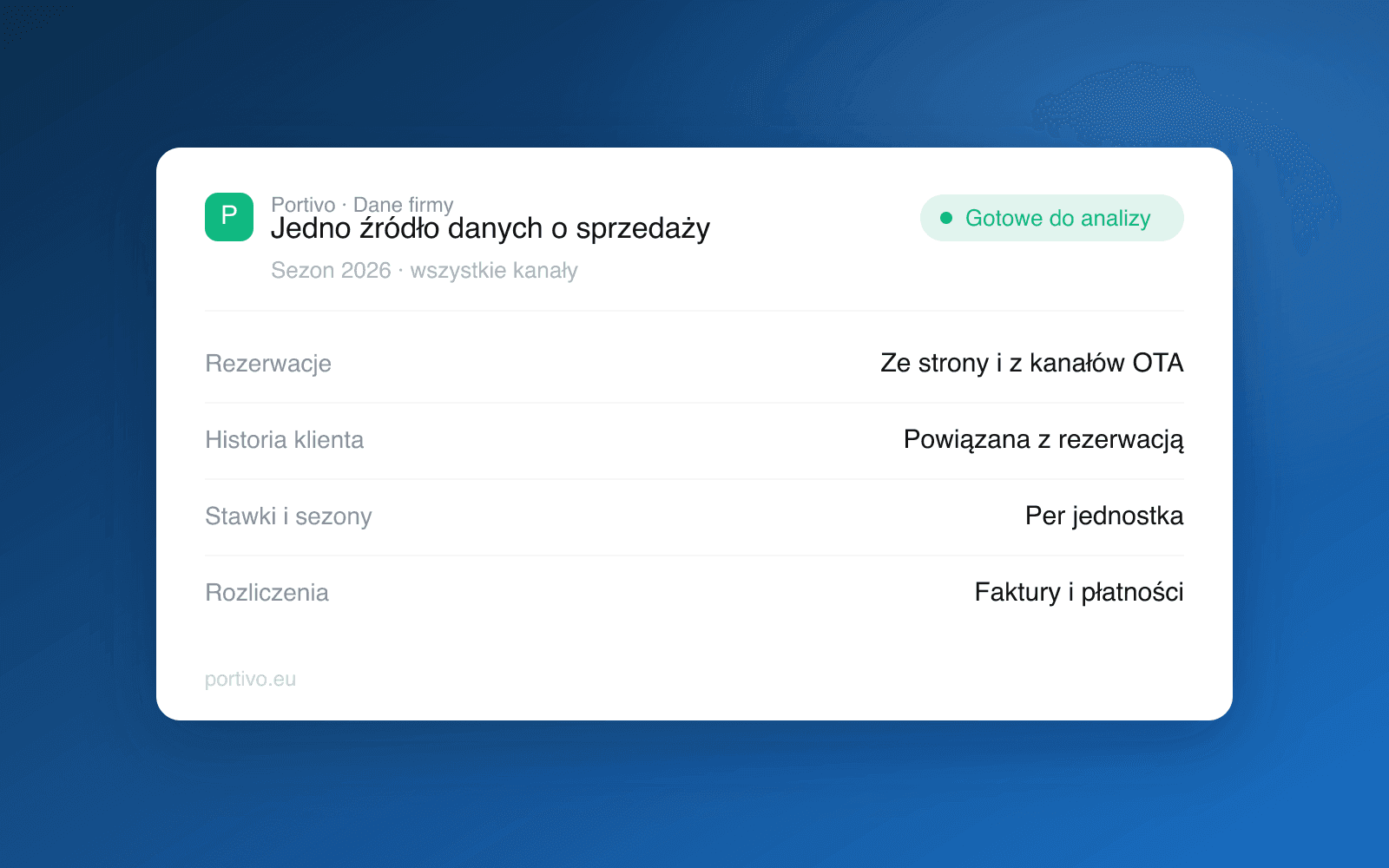
The most common reason AI changes nothing in a small charter company is mundane: there is nothing to analyse. Bookings sit in a mailbox, dates in a spreadsheet, prices in the owner's head, and reviews on three portals. The model gets fragments and returns fragments.
So the order is the reverse of what the slide decks suggest: first one source of truth about sales, then tools that read it. In Portivo the same data is served by six modules: bookings, payments, quoting, the website, marketing and handover protocols, so customer history, rate and settlement are one data set rather than four copies. What moving to that setup looks like, we described in the guide to migrating from Excel to a booking system.
The automations that beat AI today
In charter, the biggest time saving still comes from plain deterministic automation, the "if this, do that" rule. Booking confirmation right after payment, a balance reminder before the due date, handover instructions the day before the charter, a review request after the boat comes back, and availability synced between sales channels. None of that needs a language model, and all of it fires to the minute, the same way every time.
Less time on admin is one of the promises Portivo was built on, and we treat it as exactly that: a product promise described on the page about the system for charter companies, not a measured result at your neighbour's business. Which messages are worth automating first, we set out in the guide to communicating with customers in charter, and the wider picture in the guide to booking automation. The calendar and statuses themselves are handled by the Bookings module.
Where to start
Start with one task you do every week that does not touch money: boat descriptions, translations, summarising correspondence. Measure how long it takes today. Only then look at tools promising demand analysis or dynamic pricing, because those need sales history and sensibly structured rates, which we cover in the guide to dynamic pricing in charter. If you would rather sort out the data first and talk about automation afterwards, book a meeting.
Frequently asked questions
Will AI replace customer service in a charter company?
Not in the part that decides about money. AI answers repetitive questions well and prepares content, but quoting, exceptions to the terms and emergencies stay with a person.
Is a chatbot on a charter website worth it?
Only if it answers strictly from your own content and can hand the conversation to a human. A bot guessing contract terms or availability does more harm than good.
Will AI set my season prices for me?
It can show patterns in sales data, but the decision stays with you. Without booking history and structured seasonal rates there is nothing to base a recommendation on.
Can I put customer data into AI tools?
Not into public ones. Customer personal data, contract content and identity documents are protected, and the responsibility for them stays with the charter company.