Checks on the water: documents, alcohol limits and the fines involved
The water police check documents, licences and the skipper's sobriety. See what to carry on a chartered yacht and what the penalties for alcohol are.
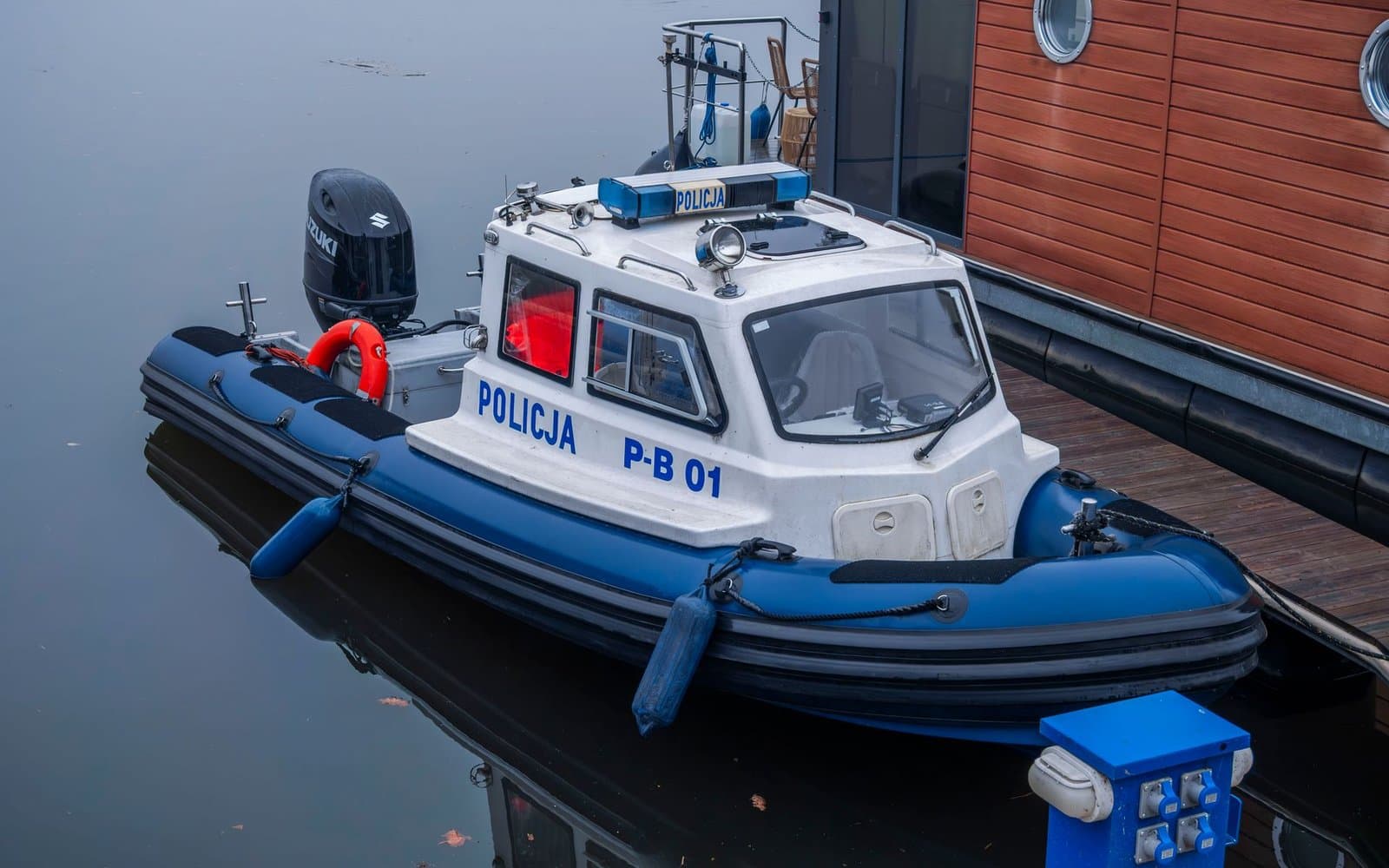
A check on the water looks much like a roadside one: a service boat comes alongside, an officer asks for the boat's documents, the skipper's licence and runs a breath test. On a chartered yacht this is rarely a problem, as long as you know what should be in the chart table drawer and who on board is responsible for steering. Here is everything the services check in one place, plus the penalties that hurt the most in practice.
Who can carry out a check
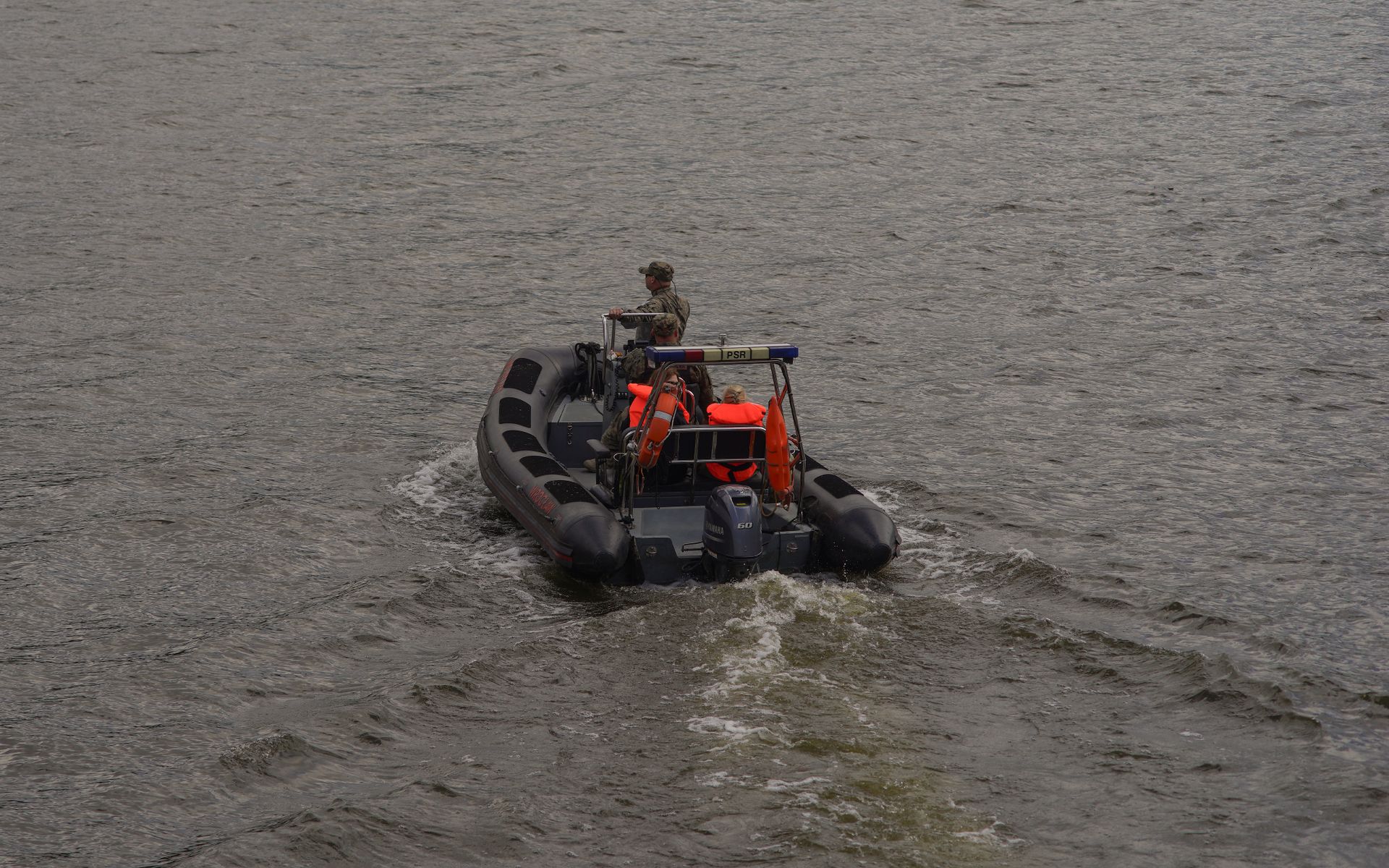
On Polish inland and coastal waters checks are carried out mainly by the water units of the police. On waters under a fishing regime you will also meet the State Fishing Guard, in the border and maritime zone the Border Guard, and in harbours the harbour master's staff enforcing marina rules. A check usually covers three things: the boat's documents, the skipper's licence and sobriety.
What should be on board a chartered yacht
| What | Who provides it | Why |
|---|---|---|
| Boat registration document | The operator, together with the boat | Confirms registration and the boat's details |
| Insurance policy for the boat | The operator | Confirms cover in case of damage |
| Charter agreement | The operator and the customer | Shows who is lawfully using the boat |
| Licence or certificate | The person steering the boat | Confirms qualifications where they are required |
| Buoyancy aids for the crew | The operator | Safety equipment, checked during an inspection |
| Working signalling devices and extinguisher | The operator | Required equipment on board |
Registration is mandatory for boats above the statutory thresholds, and we break the details down in the article on registering a boat in REJA24. Licensing is simpler than it looks: some boats may be operated without a licence, which we cover in the guide to chartering without a licence. If you plan to get qualified, we have laid out the steps in the article on how to get a sailing licence.
Alcohol on board: what the crew may do and the skipper may not
Let us separate two situations. The crew on board may drink, as long as they do not disturb the peace or create a hazard. The person steering the boat may not, because the rules prohibit operating a vessel or other floating object in water traffic by a person after consuming alcohol or in a state of intoxication. The thresholds are the same as in road traffic: from 0.2 per mille we speak of a state after consuming alcohol, above 0.5 per mille of intoxication.
| Situation | Classification | Consequences |
|---|---|---|
| Skipper between 0.2 and 0.5 per mille | Offence | A fine of no less than 2500 zl or detention, possible operating ban |
| Skipper above 0.5 per mille | Crime | Liability under the Criminal Code, including a ban on operating vehicles |
| Crew drinking during the cruise | Allowed within the bounds of public order | No consequences, provided the person steering is sober |
Swapping skippers mid cruise is not a formality: the helm may only be taken over by someone sober who holds the qualifications required for that boat. If there is no such person in the crew, the only safe option is to stay moored. The charter agreement usually names the person in charge, and breaking that clause can leave you liable towards the operator.
What is at stake beyond the fine
The fine is often the least painful part. Operating a boat under the influence or without the required licence is normally also a breach of the charter agreement and of the insurance terms. In practice that means three things: the insurer may refuse to pay out after damage, the operator has grounds to keep the deposit, and in extreme cases to end the charter without refunding the unused days. How the deposit works and when it returns to your account is explained in the article on the charter deposit, and the liability rules themselves are worth checking in the charter agreement before you sign.
How to make a check take five minutes
The simplest approach is to review the documents at handover, not out on the water. When the boat is handed over, check that the registration document and the policy are on board, count the buoyancy aids, and locate the extinguisher and the signalling devices. You go through all of this with the harbour master during the handover report anyway, so it takes two extra questions. The rest is common sense on the water, described in the guide to safety on the water.
A practical minimum before casting off:
- Agree who is in charge of the boat and who holds the licence, where one is required.
- Check that the boat's documents are on board and not in the operator's office.
- Count the buoyancy aids: one per person, in sizes that fit the children.
- Agree the alcohol rule for the whole cruise before anyone opens the first beer.
FAQ: checks on the water
May passengers on a yacht drink alcohol?
Yes, the rules do not prohibit the crew from drinking. The ban applies to the person operating the boat, who must stay sober for the entire time they are at the helm.
What blood alcohol level is allowed for a skipper?
Zero is the only safe answer. From 0.2 per mille we are talking about a state after consuming alcohol, which is an offence carrying a fine of no less than 2500 zl, and above 0.5 per mille about a crime.
Does the same ban apply on a yacht at anchor?
The ban covers operating the boat, so the decisive moment is when someone starts steering. Lying at anchor or alongside is a different situation from making way, but whoever later takes the helm must be sober.
Who is responsible if the boat's documents are missing on a charter?
Providing the boat with its documents is the operator's responsibility, but as the person in charge it is you who presents them during a check. So verify they are there when you take the boat over and note it in the handover report.
Planning a cruise and want the formalities out of the way? See who Portivo is for and book with operators who keep documents, handover reports and agreements tidy in one system, or write to us if you run a charter company yourself.