Turning a yacht around between charters: the 6 hours that make a season
Return at 10:00, handover at 16:00. Here is how to organise cleaning, refuelling and inspection between charters so no handover ever runs late.
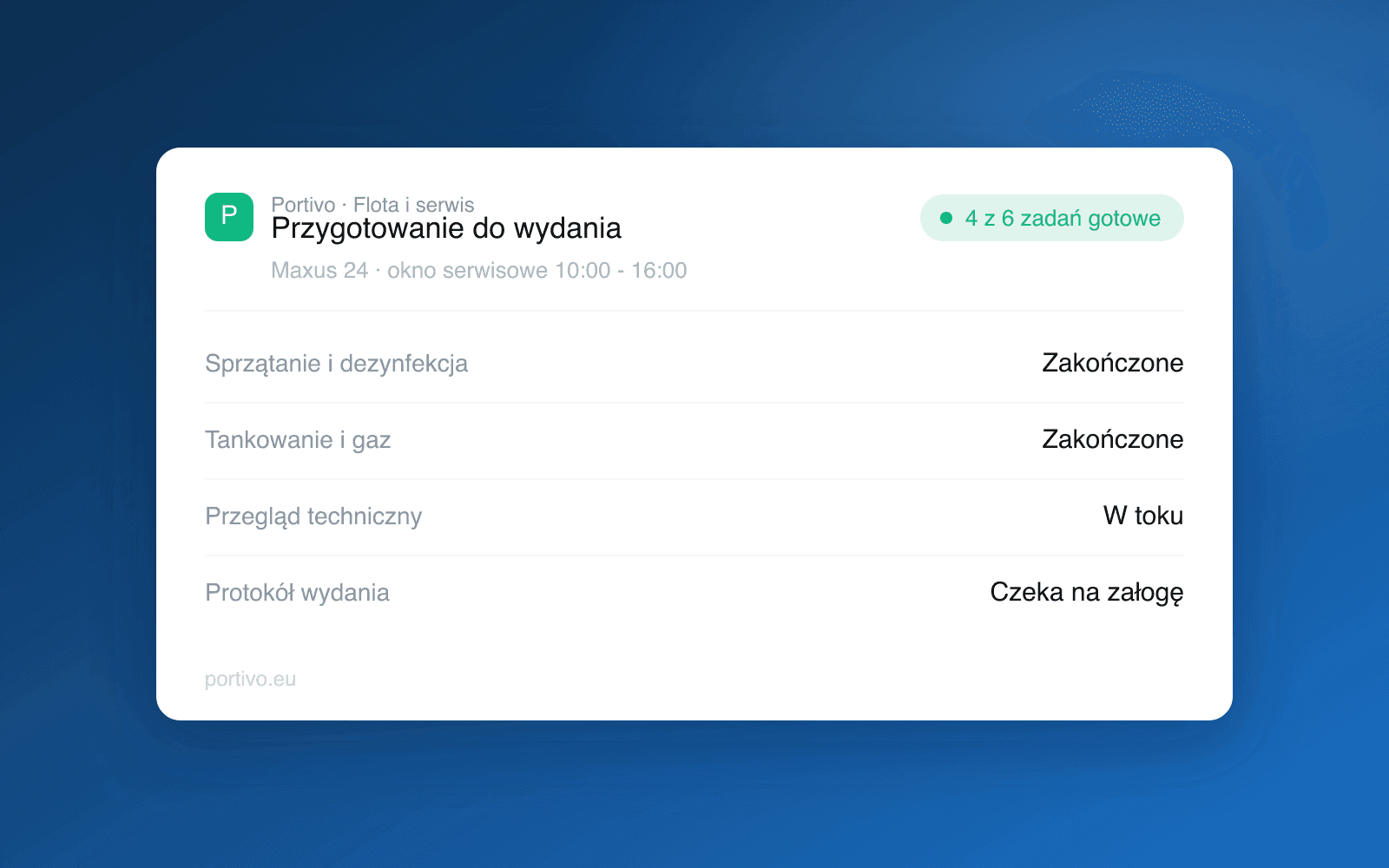
At the peak of the season a charter company does not earn when its yachts sail; it avoids losing when it turns them around efficiently. Between the morning return and the afternoon handover there are a few hours in which one team must clean, refuel, inspect and prepare the boat for the next crew, often on several boats in parallel. This service window decides the reviews, the damage caught in time, and whether Saturday ends at 18:00 or at 23:00. Here is how to structure it.
The service window: count it before you plan it
The typical Saturday layout in a charter port: returns from 9:00 to 10:00, handovers from 16:00. That leaves six hours, in reality less, because some crews return late and some arrive early for pick-up. How the client's side of this window works is described in our article on the charter day; from the operator's side one thing matters: the window must be planned per boat, not "we will manage somehow".
A properly counted service window takes three variables into account: the number of returns that day, the size of the team and the travel time between berths. If the arithmetic shows that at full occupancy you cannot prepare all the boats, you have two honest options: move some charters to a different start day or expand the team for peak Saturdays. The third option, cutting the cleaning short, ends with a review describing someone else's hair in the berth.
The preparation checklist: one, shared, ticked off
Every boat goes through the same cycle between charters. Written down once and ticked off at every turnaround, it stops depending on the bosun's memory:
| Block | What it covers | When |
|---|---|---|
| Cleaning | interior, galley, toilets, deck, fresh bedding | right after return |
| Fluids and power | fuel, water, gas, battery charging | in parallel with cleaning |
| Technical inspection | engine, rigging, lights, bilge pump, safety equipment | after cleaning, before handover |
| Defects from the charter | verifying issues from the return protocol, small repairs | priority right after return |
| Restocking | cleaning supplies, paper, first-aid kit, full inventory list | before handover |
| Documents | handover protocol, full set of boat documents on board | at handover |
The order of blocks is not accidental: you verify defects first, because only they can block a handover. A broken fridge found at 10:30 leaves time for a repair or an honest call to the next crew; the same fridge found at 15:50 is already a crisis.
Protocols: the fleet's institutional memory
The service window starts the moment the previous crew hands the yacht back, so its quality depends directly on the quality of the return protocol. A protocol with photos and a defect list tells the team what needs fixing before anyone steps on board, and comparing it with the handover protocol settles whether a scratch on the hull is a deposit matter or history from three charters ago. How to structure the whole process is covered in our guide to the yacht handover protocol, and the client's perspective in the article on returning a yacht after charter.
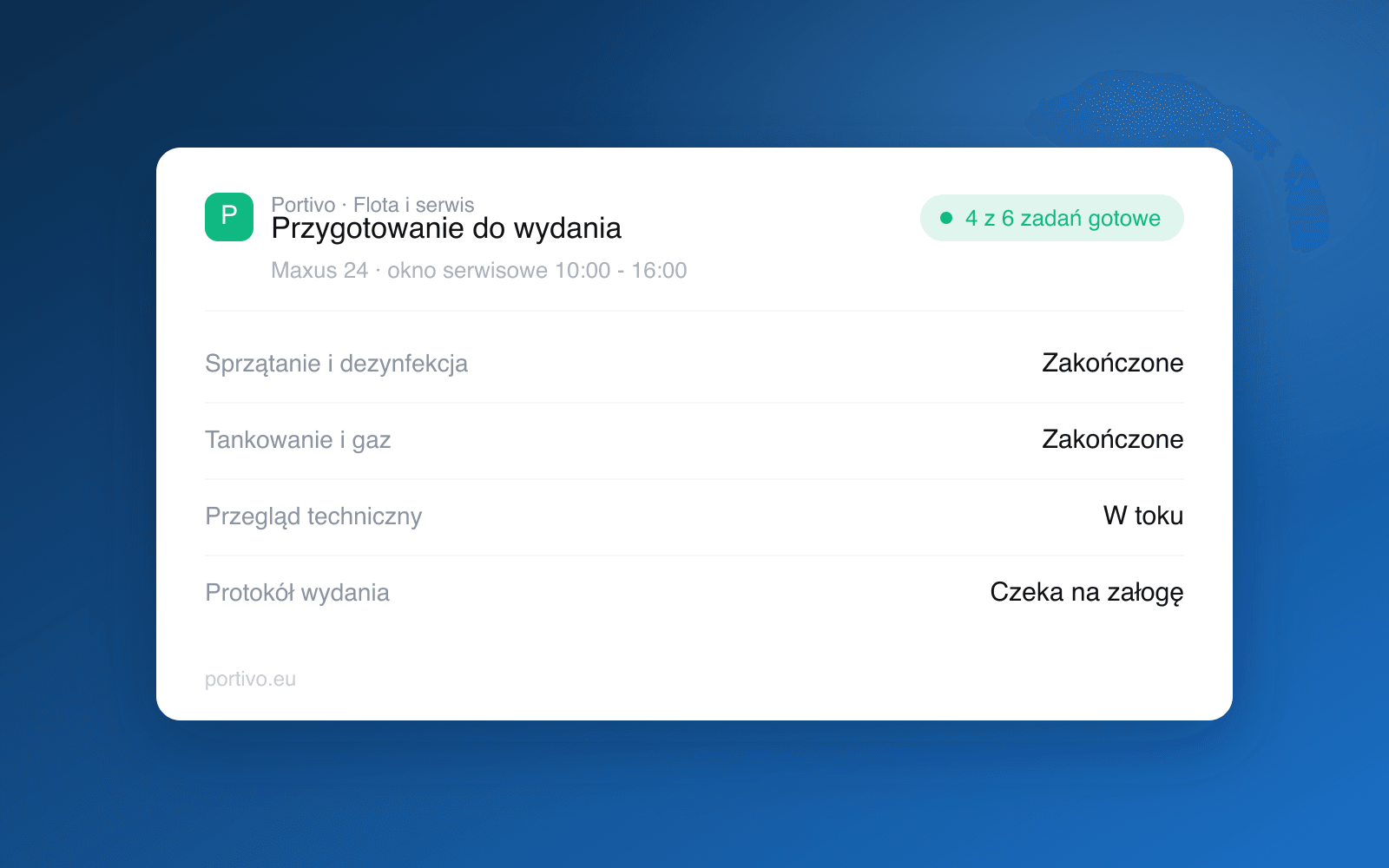
In the Protocols module the checklists and photos from every return are pinned to the boat, so the history of its condition builds itself, and a new employee sees in three clicks what a bosun carries in their head after ten seasons.
The team: who does what when Saturday is on fire
With three boats, a split into "cleaning team plus a bosun for technology and handovers" is enough. With ten, you need a roster: who receives returns, who cleans which boats, who inspects, who hands over. The rules for dividing roles without chaos are described in our article on the team in a charter company; from the service window's perspective one rule matters most: no task may exist only in someone's head. One person falling ill at the peak of August cannot mean nobody knows where the key to the gas locker is.
A practice from fleets that turn boats around without slippage: a one-hour buffer between the planned end of preparation and the handover hour. Not to use it, but so that a late return or a longer repair does not topple the whole afternoon.
The calendar: the turnaround starts at booking time
The most expensive service window mistakes are made months earlier, when bookings are accepted: two charters of the same boat touching with no technical break, or three handovers at the same hour with a one-person team. A booking system that sees return and handover hours per boat catches such collisions immediately, not on Saturday morning. In the Bookings module the turnaround hours are part of the booking, so the fleet calendar shows not only who is sailing but also when each boat is genuinely available for handover. It is the same principle the whole discipline of charter fleet management rests on: one calendar, one truth about availability.
Preparation is also a chance to close sales: since the team is on board anyway, stocking the extra services ordered with the booking, from bedding to a SUP, costs a few minutes instead of a separate trip to the port.
FAQ: turning a yacht around between charters
How long does preparing a boat between charters really take?
It depends on the boat's size and its state after return: from two hours for a small boat with no issues to the whole service window for a larger yacht with defects. That is why you plan per boat and with a buffer, not with one shared hour for the whole fleet.
Does the technical break between charters have to be a full day?
No, in Polish inland fleets a same-day turnaround is the standard: return in the morning, handover in the afternoon. A full-day break is used for larger sea-going yachts, after long cruises and outside the peak, when the calendar allows it.
Who should do the technical inspection: the cleaning team or the bosun?
Separate the roles even if the same person performs them: cleaning and technology are different checklists and different responsibilities. Ticking "engine starts, pump works, gas tight" must carry a specific person's signature, not a general "cleaned".
How do I document the yacht's condition before handover?
A handover protocol with photos, signed by the crew, ideally digital and pinned to the booking. It protects both sides at deposit settlement and ends the "that scratch was already there" discussions.
Want your Saturdays to end at 18:00 instead of 23:00? See how the Protocols module and the booking calendar bring order to boat turnarounds, or book a call: we will show you how fleets like yours structure it.